PARSHAT CHAYEI SARAH: Rivkah’s Water Test – Seeking Eshet Chayil (a Proverbs 31 Woman)

“O YHWH, Elohai of my master, Abraham,” he prayed. “Please give me success today, and show unfailing love to my master, Abraham. See, I am standing here beside this spring, and the young women of the town are coming out to draw water. This is my request. I will ask one of them, ‘Please give me a drink from your jug.’ If she says, ‘Yes, have a drink, and I will water your camels, too!’—let her be the one you have selected as Isaac’s wife. This is how I will know that you have shown unfailing love to my master.”

‭‭Genesis‬ ‭24‬:‭12‬-‭14‬ ‭NLT‬‬

Eliezer had a very important task – to find a wife suitable for his master Abraham‘s son, Yitzchak.  Now Abraham was not an ordinary man but was an anointed servant of Elohim whose seed was called to be a great priestly nation of El Elyon. This promise of nationhood was dependent upon  several elements, one of which was strong families.  So, finding a suitable wife for Yitzchak was of utmost importance.

What virtues was Eliezer seeking in a potential  bride for Yitzchak?  His water test shows us he was looking for a woman who had the virtues of an Eshet Chayil (a virtuous woman) [haritzute (diligence) and nedivute (generousity)]

Harutzah

An Eshet Chayil (described in Pr. 31) is harutzah – hardworking, diligent and industrious. 

She selects wool and flax
    and works with eager hands.
14 She is like the merchant ships,
    bringing her food from afar.
15 She gets up while it is still night;
    she provides food for her family
    and portions for her female servants.
16 She considers a field and buys it;
    out of her earnings she plants a vineyard.
17 She sets about her work vigorously;
    her arms are strong for her tasks.
18 She sees that her trading is profitable,
    and her lamp does not go out at night.
19 In her hand she holds the distaff
    and grasps the spindle with her fingers.

Because the responsibility of caring for her family is upon her shoulders (along with her husband), she can’t afford to be lazy or idle.  Rather, she burns the midnight oil – rises early and stays up late to plant, sew, knit, weave fabric, prepare products to buy and sell… whatever it takes to provide food and clothing for her loved ones. 
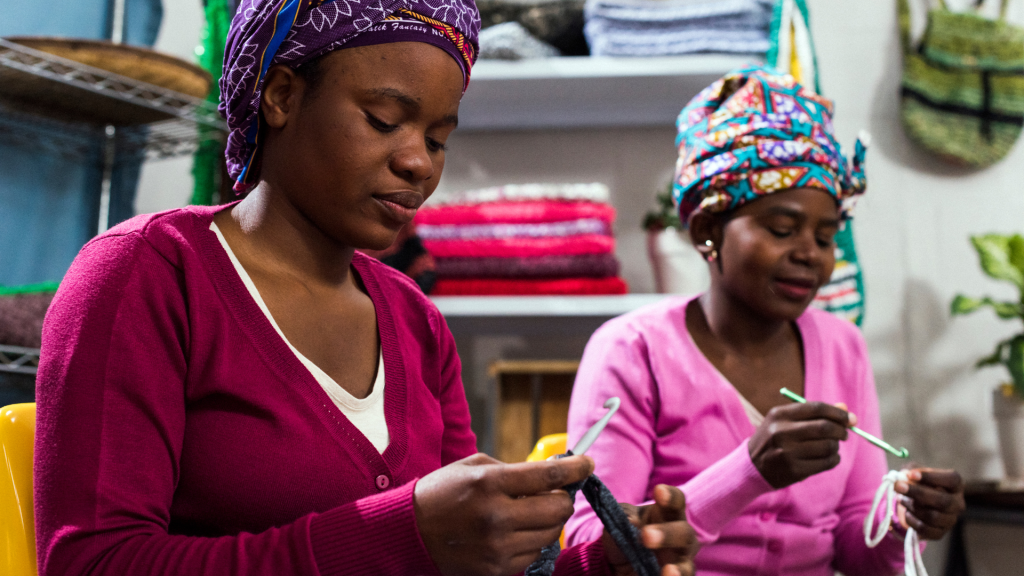
“She seeks wool and flax, and works with willing hands. She is like the ships of the merchant; she brings her food from afar. She rises while it is yet night and provides food for her household and portions for her maidens.
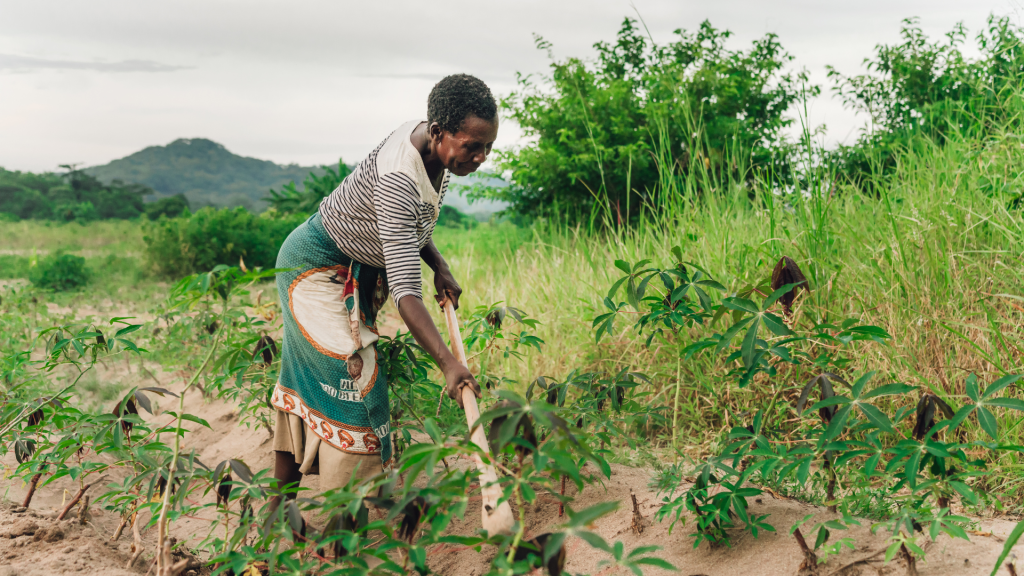
She considers a field and buys it; with the fruit of her hands she plants a vineyard. She dresses herself[e] with strength and makes her arms strong. She perceives that her merchandise is profitable. Her lamp does not go out at night.
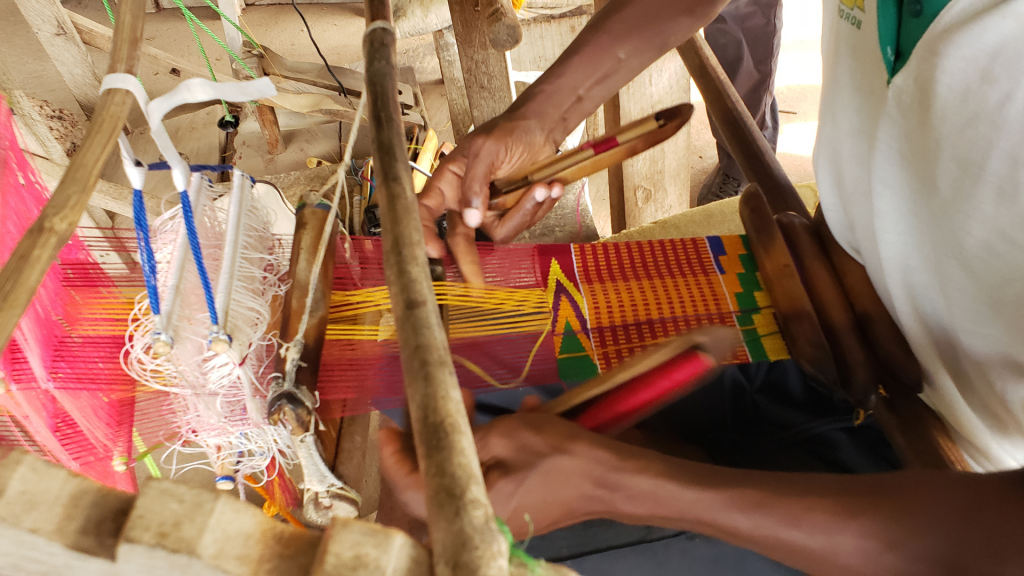
She puts her hands to the distaff, and her hands hold the spindle. She makes linen garments and sells them; she delivers sashes to the merchant.” 

Pr. 31.10-19, 24

Although Rivkah was a single woman, Eliezer would have been looking for qualities of an isha harutzah like the proverbs 31 woman.  

In the water test, Eliezer says:  ‘Let her say: ‘Yes, have a drink, and I will water your camels, too!’  What was his objective? What character traits was he looking for?

It would be easy for a young lady to give a sip of water from her jug to a thirsty stranger if she’d already filled it, but for a woman to volunteer herself to take many more trips down to the spring to give water to his camels… Well, that would mean this woman was cut from a different cloth, demonstrating harituze (dilligence), nedivute, and more.  

Camels drink a lot of water, so it would take a lot of energy, strength and sheer will power to go back and forth to the spring, lifting and hauling water jugs for his camels.  Yet, this was exactly what she did.  Hands down, Rivkah was harutzah like the eshet chayil we read about in Proverbs 31 (not atzlanite or lazy). 

Nedivah 

An eshet chayil is nedivah – a generous woman with a big heart who gives willingly and freely to the members of her household including servants and the poor and destitute of her community. 

‘She rises while it is yet night and provides food for her household and portions for her maidens.’  Pr. 31.15

‘She opens her hand to the poor and reaches out her hands to the needy.’ Pr. 31.20

‘She is not afraid of snow for her household, for all her household are clothed in scarlet.’

The virtuous woman works willingly with her hands, showing nedivute. That means she has a mindset to give and she gives freely – not only to her family but also to her servants and the poor and needy.

The water test allowed Eliazar to see this part of Rivkah’s nature as well.  She was not just hard-working (haritzah) but she was also kind and generous (nedivah) because she gave willingly spontaneously and freely to both Eliezer, a complete stranger, and to his camels who were also thirsty and in need.

She went further to extend an invitation for them to take lodging at her father‘s estate, extending even more acts of kindness. This shows that Rivkah’s generosity came from a place of compassion, mercy, and concern for the stranger and for animals who were in need.

Yirat Elohim

Charm is deceitful, and beauty is vain, but a woman who fears YHWH (yirat ha Shem) is to be praised.”  (Pr. 31.30)

All in all, an Eshet Chayil has yirat Elohim, which means to fear or revere of the Most High.  When you fear the Almighty, you keep His commands and His commands are to love the Creator with all your heart and love your neighbor as thyself.  So, a virtuous woman – like Rivkah and in Prov. 31 – works hard and gives generously to those in need, not because she is motivated by money, power or selfish gain, but rather she does acts of kindness out of sincere love and concern for her family and the people of her community. 

In sum, Rivkah wore the crown of the virtuous woman (eshet chayil) royally, which made her the perfect match for Yitzchak and sealed her place as one of the great matriarchs of the nation of Israel.

These historical stories are not just to share historical facts with us but to inspire and guide our daily walk in Elohim.  

Reflection: Am I an ‘eshet chayil’ woman (or an ‘ish chayil’ man for brothers)?  How can I become more perfect in my walk with Elohim?   Prayer: Pray for more of these powerful spiritual attributes and Yah to strengthen and guide you.

One Love and Blessings! Makedah

Feel free to share this blog and remember to sign up for the mailing list for the latest inspired writings!

To support my work, consider becoming a patron or a donor. All info is on the donation page of my artist website here.

Subscribe to our newsletter!

[newsletter_form type=”minimal”]

Writing the Torah – Parshat Shoftim

In last week’s parshat Shoftim, we read about the duties of a king:


‘And it shall be, when he sitteth upon the throne of his kingdom, that he shall write him a copy of this law in a book, out of that which is before the priests the Levites.’ V. 18

וְהָיָה כְשִׁבְתּוֹ, עַל כִּסֵּא מַמְלַכְתּוֹ–וְכָתַב לוֹ אֶת-מִשְׁנֵה הַתּוֹרָה הַזֹּאת, עַל-סֵפֶר, מִלִּפְנֵי, הַכֹּהֲנִים הַלְוִיִּם.

Why did Elohim require the king to write the Torah?  He could have just left it at the mitzvah to read the Torah (v.19), i.e. get a copy from the priest and study it.  Instead, He instructs the king to write (catav) it for himself (under the priest’s supervision) and then read (karah) it daily.

We know that every word which proceedeth out of the mouth of YHWH is with purpose and meaning. 

So, could it be that YHWH is revealing an important key to learning and memorizing Torah and learning in general? 

According to academic research, writing down information stimulates multiple learning centers in the brain and helps us to:

  • Memorize – Handwriting helps us to intentionally commit information to memory, often through repetition and deliberate effort. Memorization is similar to filling a mental library with flashcards that can be accessed when needed.1
  • Retain – Writing information by hand helps us retrieve information over time. Retention is a specific aspect of memory, which is the overall process of storing and retaining information.2
  • Understand – ‘Handwriting requires active engagement with incoming information, leading to better retention and understanding of the concepts.3

(See sources in footnotes below).

As a both a singer-songwriter and a teacher, I couldn’t help but see this aspect of the parsha through an educational lens.

When we understand the science of learning, we can clearly see the wisdom in Elohim having the king write the Torah and then read it daily.  He is in effect giving rulers (and us) a key to committing Torah to memory – especially with the combined effort of writing and reading it daily.  

With the obvious end being, to not just know the Torah but to do it – also called the ‘fear of’ or ‘yiraht ha Shem. This is a ruler who would rule with justice and righteous judgement (tzedek and mishpat) thereby blessed and sustained by Elohim,

How can these principles guide our studies?

Although we are not kings and queens on literal thrones, we are leaders of families, organizations, communities and the world.

So, the practice given to the king of writing Torah or parts of Torah along with daily study, will help us too memorize, retain, know the chukim and edute so that we can keep and do it.

Food for thought. I’d love to hear from you.

If you are interested in Hebrew language or Torah studies with me, visit http://www.queenmakedah.com/hebrew-classes.

Shalom!

Peace and Blessings, Makedah

‘Happy is He’ – Trusting in Yah in an Uncertain World

_Happy is He who trusteth in Yah_
(queenmakedah.blog) Ethiopian boys at Wailing Wall.

Let’s face it, these days there is a lot to be stressed and depressed about.  

Climate change poses a serious threat to man’s very existence, and scientists are warning that if we don’t change (reduce carbon emissions), we may see the extinction of most animal species and the face of the planet altered beyond anything we’ve ever known.  

Economic conditions are not much better.  The effects of tariffs and the recent government shutdown imposed by an inexperienced and unstable president and white house, have thrust millions of hardworking people into hard times.  Many hard working families are suddenly facing the real prospect of losing their homes, eviction, lack of basic necessities like food. This is the ugly face of poverty.

Socially, headlines wreak of widespread sexual abuse and exploitation of children and women around the world, while religious institutions like the Catholic church – instead of holding the bar of morality – are cesspools filled with sexual predators and are some of the most dangerous places for our youth.  Not to mention, the heartless imprisonment of immigrant children and families who are seeking asylum. This behavior is not just in America, but as global resources shrink, immigrants are being attacked with a rise in xenophobic behavior and hate crimes around the world.

Racism and injustice continues to plague black and brown communities with the highest incarceration rates in the world in the U.S., while these communities also face  severe poverty, unemployment, and environmental genocide – poisoned water, food source, ecosystems.

Let’s not even begin to talk about the political turmoil within the American government.  Surely, I can go on and on.  But there’s not enough space or time to give the full span of things we could worry about.

No doubt, we are facing one of the most uncertain and unstable times in this modern age, and we need Yah more than ever.  The only thing that can give us a real source of stability and comfort is having a personal relationship with your Heavenly Father, for only He can fix it, or give us what we need to cope.  How do you develop this personal relationship with your Creator? Through prayer (which includes praise, affirmation, and meditation) study, and living by His word.

Chanting the Psalms

The Psalms are Yah’s medicine for His children to overcome all anxiety and depression, by giving us hope.  Chanting the Psalms in faith, lifts us out of the dunghill of life by reminding us of Yah’s deep love for us and His power to change our conditions.  Left to ourselves, we are hopeless. But in YHWH, we can do all things! We are more than conquerors in Him.

  • “Never worry about anything. But in every situation let Yah know what you need in prayers and requests while giving thanks. Then Yah’s peace, which goes beyond anything we can imagine, will guard your thoughts and emotions through Yahoshua the Anointed One.”  Philippians 4:6-7  

When you are feeling anxious, the best thing you can do is pray.  For Yahweh is greater than all of us, and only He has the power to really change our condition.


  • “And which of you by being anxious can add a single hour to his  span of life?”  Luke 12.25’


Through prayer, the Almighty through His word – which is spirit – will tear down the strongholds of lies the adversary has used to make you anxious and fearful.

  • “I sought YHWH, and He answered me and delivered me from all my fears.”   Psalms 34.4

Chanting the Psalms or praying Yah’s word builds our faith and trust in the Creator.  Reminding ourselves of Yah’s all sufficient provision and power.


  • “When I am afraid, I put my trust in you.” (Psalm 56:3)


Words of the Psalms remind us of Yah’s deep and unfailing love for us and that it’s safe to trust Him because He cares for us, which provide spiritual comfort and joy that relieves depression.


  • “When anxiety was great within me, your consolation brought joy to my soul.”  (Psalm 94:19)


  • ‘Happy is he who puts His trust in Yah.”   Psalms 34.8


When you try to solve your own problems, you have much reason to fear.  But when you invite Yah to solve what you can’t fix, you are filled with a sense of hope and open yourselves up to endless possibilities.


  • “Cast thy burden upon YHWH, and he shall sustain thee: he shall never suffer the righteous to be moved.”  Ps. 55.22


Finally, when you decide to trust in Yah and not in man or your own flesh, victory is sure:


  • “All who hope in you are never ashamed, but they shall be ashamed who are treacherous without excuse.”  Ps. 25.3

Here are some of the Psalms you can Pray for comfort and relief of anxiety and depression:

  • Psalms 103 – Yah is our Healer
  • Psalms 23 – Yah is our Shepherd
  • Psalms 25 – Yah is our Protector and Provider
  • Psalms 27 – Yah is our Salvation
  • Psalms 34 – Yah is our Deliverer
  • Psalms 91 – Yah is our Refuge
  • Psalms 145 – Yah is our Provider

You can find more Psalms and inspirational lyrics in my music, such as Blessed, Yah Yireh, and Happy is He, which are available now at http://www.queenmakedah.com/music/.  

These songs and more will also be on my new album Peace Process, due out Spring 2019.  Make sure you sign up for mailing list to receive updates on music news, live shows, blogs, etc.

More on the Psalms is coming in future blogs.