
“O YHWH, Elohai of my master, Abraham,” he prayed. “Please give me success today, and show unfailing love to my master, Abraham. See, I am standing here beside this spring, and the young women of the town are coming out to draw water. This is my request. I will ask one of them, ‘Please give me a drink from your jug.’ If she says, ‘Yes, have a drink, and I will water your camels, too!’—let her be the one you have selected as Isaac’s wife. This is how I will know that you have shown unfailing love to my master.”
Genesis 24:12-14 NLT
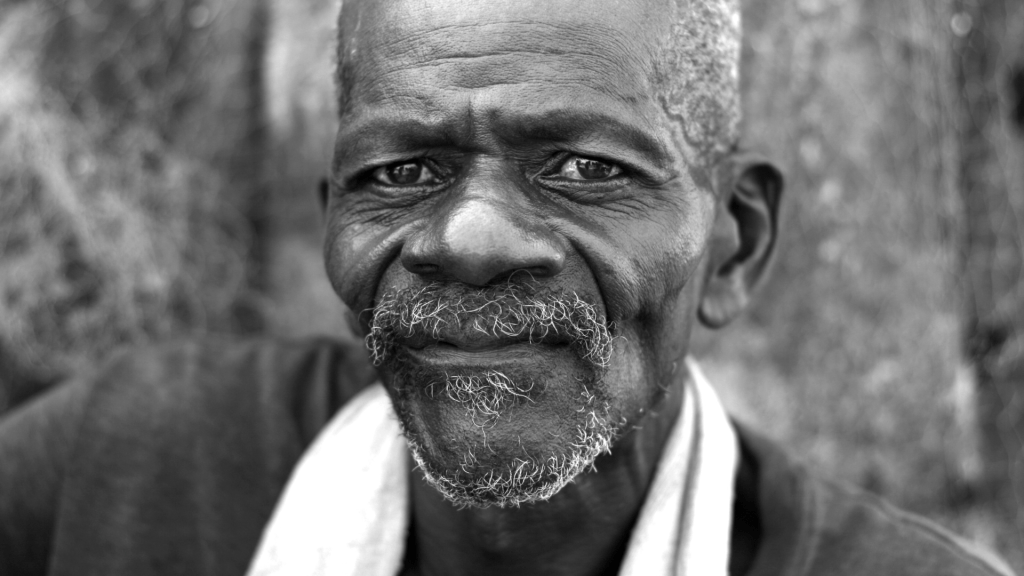
Eliezer had a very important task – to find a wife suitable for his master Abraham‘s son, Yitzchak. Now Abraham was not an ordinary man but was an anointed servant of Elohim whose seed was called to be a great priestly nation of El Elyon. This promise of nationhood was dependent upon several elements, one of which was strong families. So, finding a suitable wife for Yitzchak was of utmost importance.
What virtues was Eliezer seeking in a potential bride for Yitzchak? His water test shows us he was looking for a woman who had the virtues of an Eshet Chayil (a virtuous woman) [haritzute (diligence) and nedivute (generousity)]
Harutzah
An Eshet Chayil (described in Pr. 31) is harutzah – hardworking, diligent and industrious.
She selects wool and flax
and works with eager hands.
14 She is like the merchant ships,
bringing her food from afar.
15 She gets up while it is still night;
she provides food for her family
and portions for her female servants.
16 She considers a field and buys it;
out of her earnings she plants a vineyard.
17 She sets about her work vigorously;
her arms are strong for her tasks.
18 She sees that her trading is profitable,
and her lamp does not go out at night.
19 In her hand she holds the distaff
and grasps the spindle with her fingers.
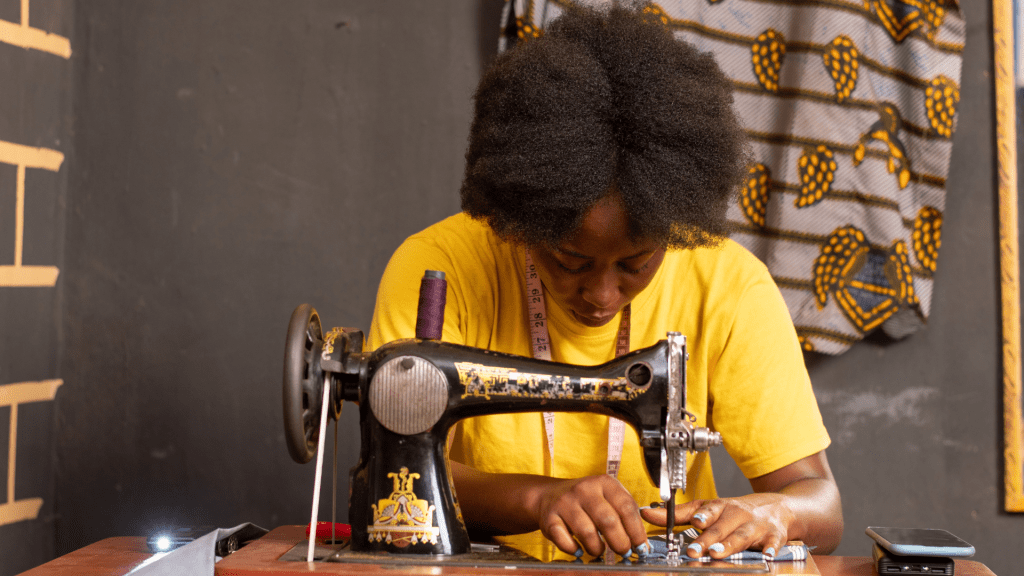
Because the responsibility of caring for her family is upon her shoulders (along with her husband), she can’t afford to be lazy or idle. Rather, she burns the midnight oil – rises early and stays up late to plant, sew, knit, weave fabric, prepare products to buy and sell… whatever it takes to provide food and clothing for her loved ones.
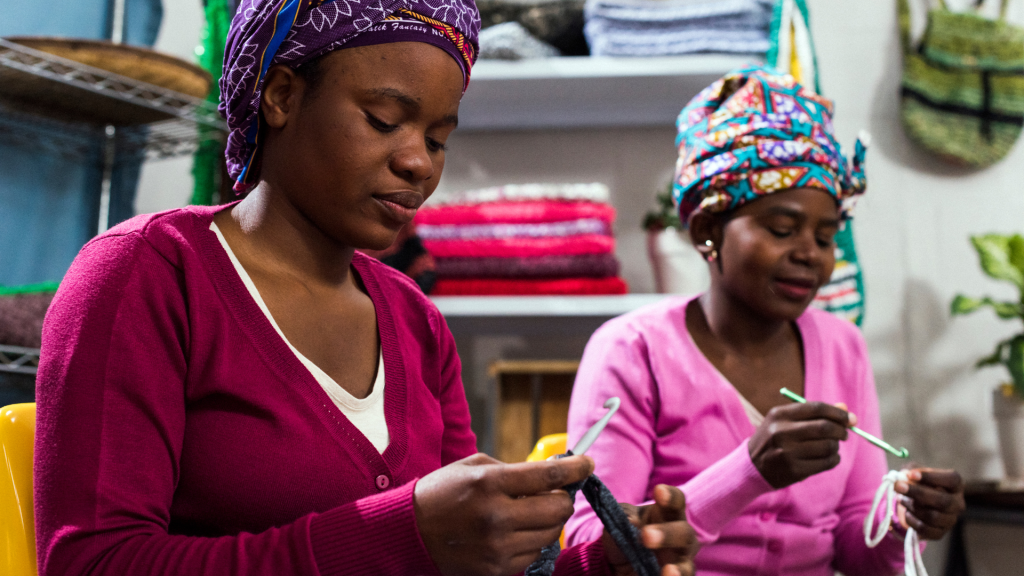
“She seeks wool and flax, and works with willing hands. She is like the ships of the merchant; she brings her food from afar. She rises while it is yet night and provides food for her household and portions for her maidens.
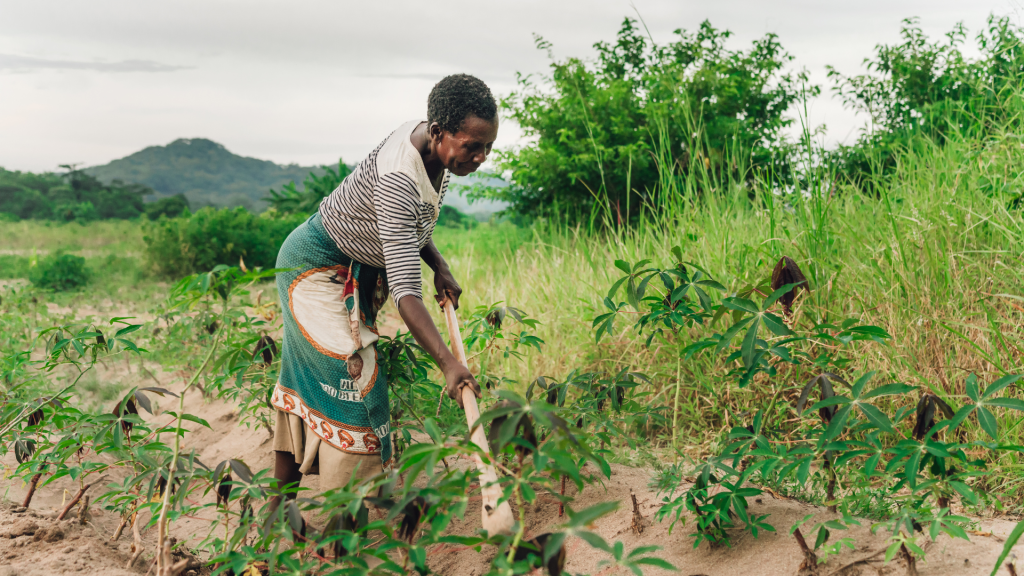
She considers a field and buys it; with the fruit of her hands she plants a vineyard. She dresses herself[e] with strength and makes her arms strong. She perceives that her merchandise is profitable. Her lamp does not go out at night.
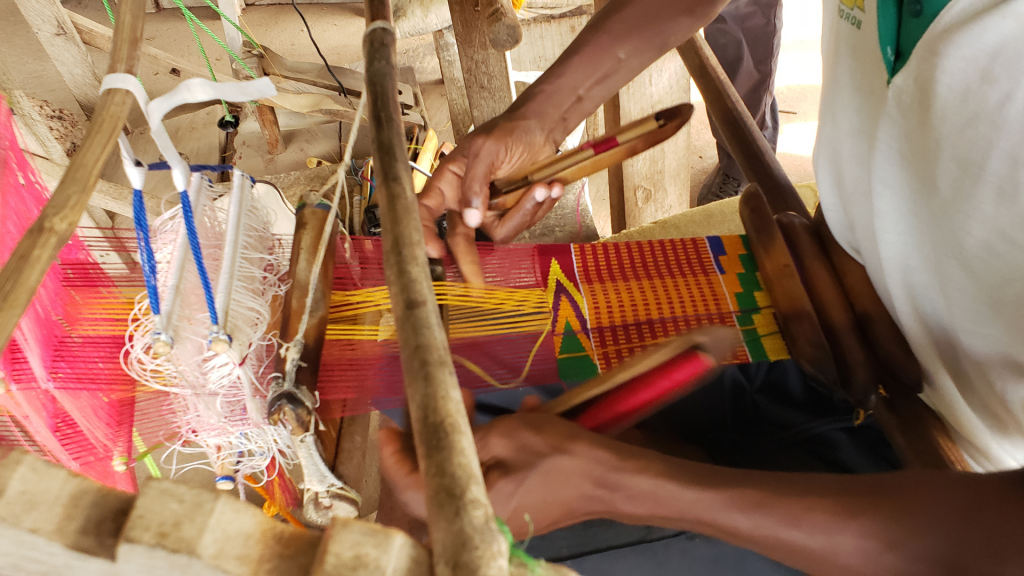
She puts her hands to the distaff, and her hands hold the spindle. She makes linen garments and sells them; she delivers sashes to the merchant.”
Pr. 31.10-19, 24
Although Rivkah was a single woman, Eliezer would have been looking for qualities of an isha harutzah like the proverbs 31 woman.
In the water test, Eliezer says: ‘Let her say: ‘Yes, have a drink, and I will water your camels, too!’ What was his objective? What character traits was he looking for?
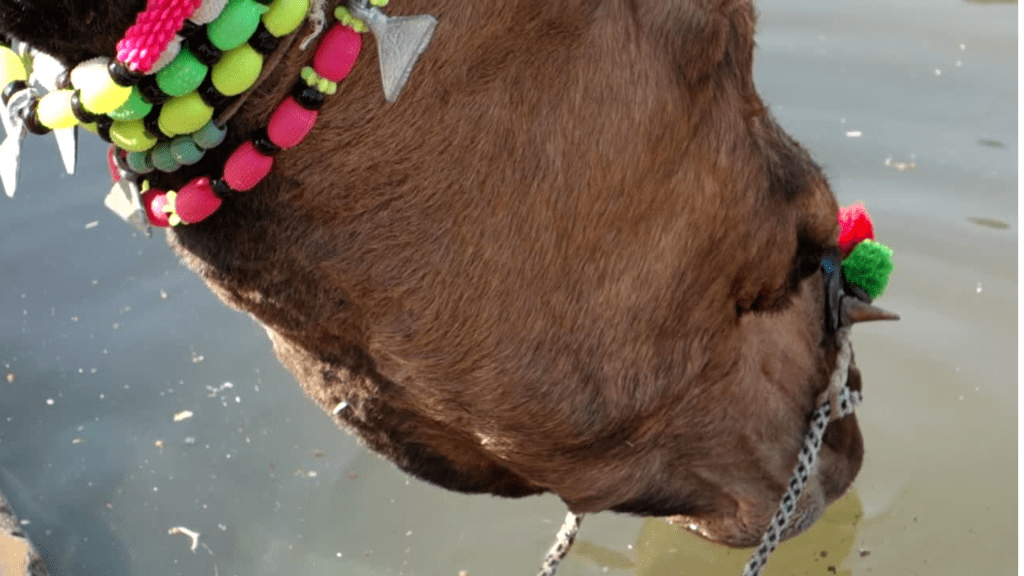
It would be easy for a young lady to give a sip of water from her jug to a thirsty stranger if she’d already filled it, but for a woman to volunteer herself to take many more trips down to the spring to give water to his camels… Well, that would mean this woman was cut from a different cloth, demonstrating harituze (dilligence), nedivute, and more.
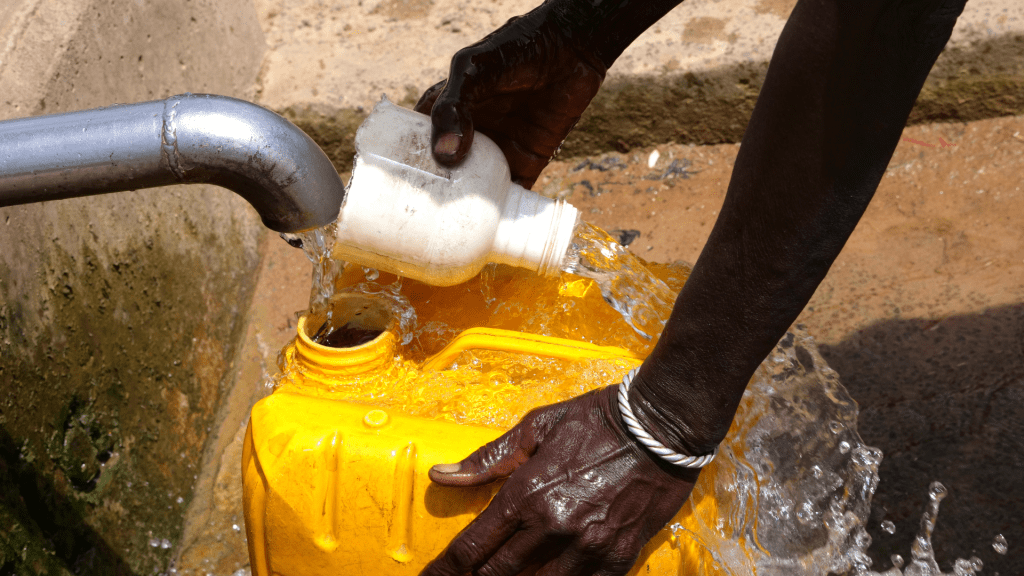
Camels drink a lot of water, so it would take a lot of energy, strength and sheer will power to go back and forth to the spring, lifting and hauling water jugs for his camels. Yet, this was exactly what she did. Hands down, Rivkah was harutzah like the eshet chayil we read about in Proverbs 31 (not atzlanite or lazy).
Nedivah
An eshet chayil is nedivah – a generous woman with a big heart who gives willingly and freely to the members of her household including servants and the poor and destitute of her community.
‘She rises while it is yet night and provides food for her household and portions for her maidens.’ Pr. 31.15
‘She opens her hand to the poor and reaches out her hands to the needy.’ Pr. 31.20
‘She is not afraid of snow for her household, for all her household are clothed in scarlet.’
The virtuous woman works willingly with her hands, showing nedivute. That means she has a mindset to give and she gives freely – not only to her family but also to her servants and the poor and needy.
The water test allowed Eliazar to see this part of Rivkah’s nature as well. She was not just hard-working (haritzah) but she was also kind and generous (nedivah) because she gave willingly spontaneously and freely to both Eliezer, a complete stranger, and to his camels who were also thirsty and in need.
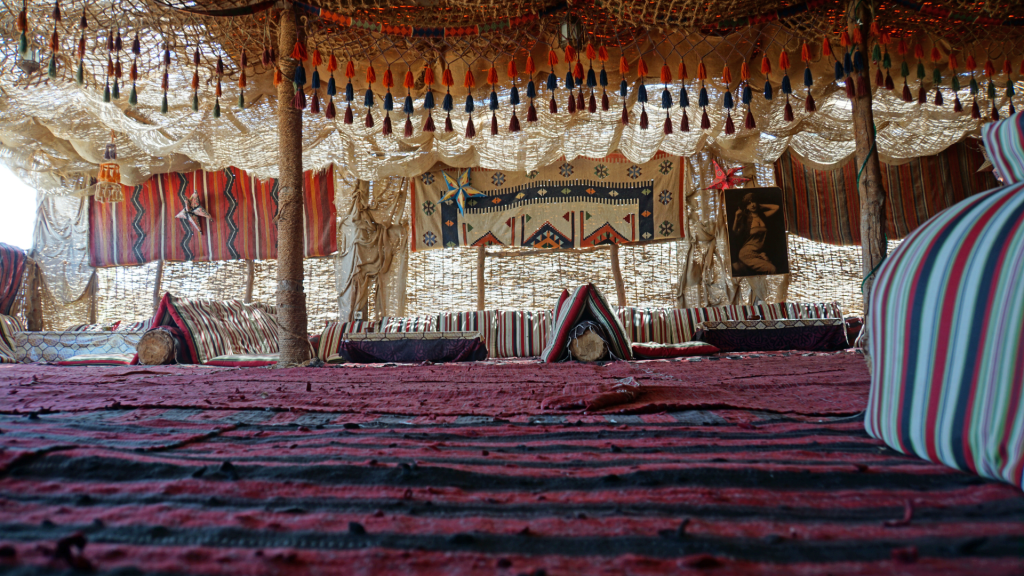
She went further to extend an invitation for them to take lodging at her father‘s estate, extending even more acts of kindness. This shows that Rivkah’s generosity came from a place of compassion, mercy, and concern for the stranger and for animals who were in need.
Yirat Elohim
“Charm is deceitful, and beauty is vain, but a woman who fears YHWH (yirat ha Shem) is to be praised.” (Pr. 31.30)
All in all, an Eshet Chayil has yirat Elohim, which means to fear or revere of the Most High. When you fear the Almighty, you keep His commands and His commands are to love the Creator with all your heart and love your neighbor as thyself. So, a virtuous woman – like Rivkah and in Prov. 31 – works hard and gives generously to those in need, not because she is motivated by money, power or selfish gain, but rather she does acts of kindness out of sincere love and concern for her family and the people of her community.
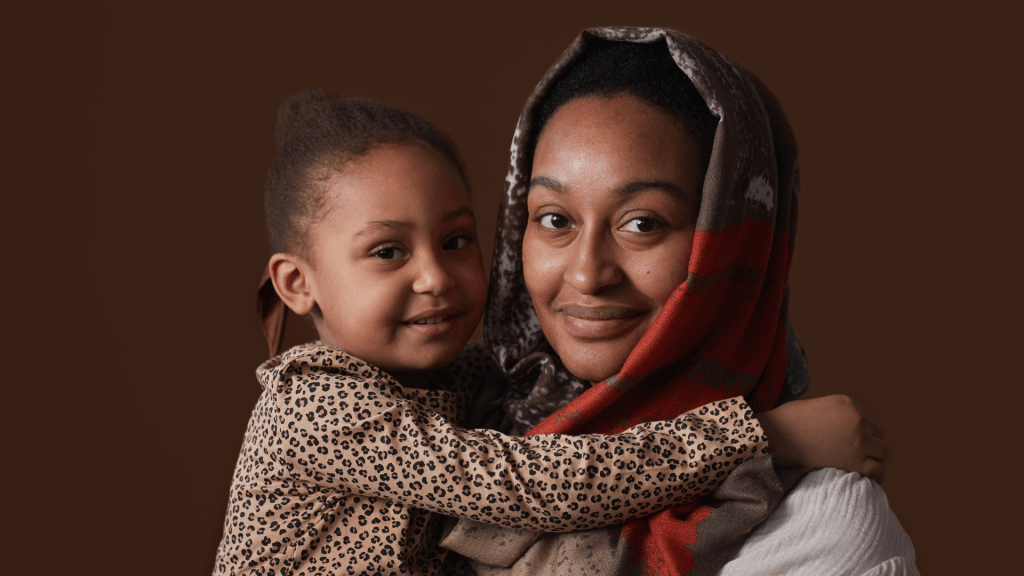
In sum, Rivkah wore the crown of the virtuous woman (eshet chayil) royally, which made her the perfect match for Yitzchak and sealed her place as one of the great matriarchs of the nation of Israel.
These historical stories are not just to share historical facts with us but to inspire and guide our daily walk in Elohim.
Reflection: Am I an ‘eshet chayil’ woman (or an ‘ish chayil’ man for brothers)? How can I become more perfect in my walk with Elohim? Prayer: Pray for more of these powerful spiritual attributes and Yah to strengthen and guide you.
One Love and Blessings! Makedah
Feel free to share this blog and remember to sign up for the mailing list for the latest inspired writings!
To support my work, consider becoming a patron or a donor. All info is on the donation page of my artist website here.
Subscribe to our newsletter!


Tashena Hickles
Greetings, Children of Abraham Isaac and Jacob. I pray that all is well.
Sister Queen Makeedah I surely enjoyed your vlog, will be looking for more to come in the future.
Also contemplating on joining your ‘learn how to speak Hebrew classes.🌻
Thank you Sister, Queen
LikeLike
Queen Makedah
Shalom Achoti! Thanks so much for your feedback! That would be wonderful 😍 Yah bless! 🙌🏾
LikeLike
Queen Makedah
Shabbat greetings and Todah for the comment! That would be lovely on the studies 🥰🙌🏾
LikeLike